How AI Transforms Patient Care and Treatment Outcomes
- Alex Frketic
- May 21
- 5 min read

The healthcare industry is undergoing a significant transformation, driven by advancements in technology. Among these advancements, artificial intelligence (AI) stands out as a powerful tool that is reshaping patient care and improving treatment outcomes. From predictive analytics to personalized medicine, AI is revolutionizing how healthcare providers diagnose, treat, and manage patient health. This blog post explores the various ways AI is enhancing patient care and the implications for the future of healthcare.
The Role of AI in Healthcare
AI encompasses a range of technologies that enable machines to perform tasks that typically require human intelligence. In healthcare, AI applications are vast and varied, including:
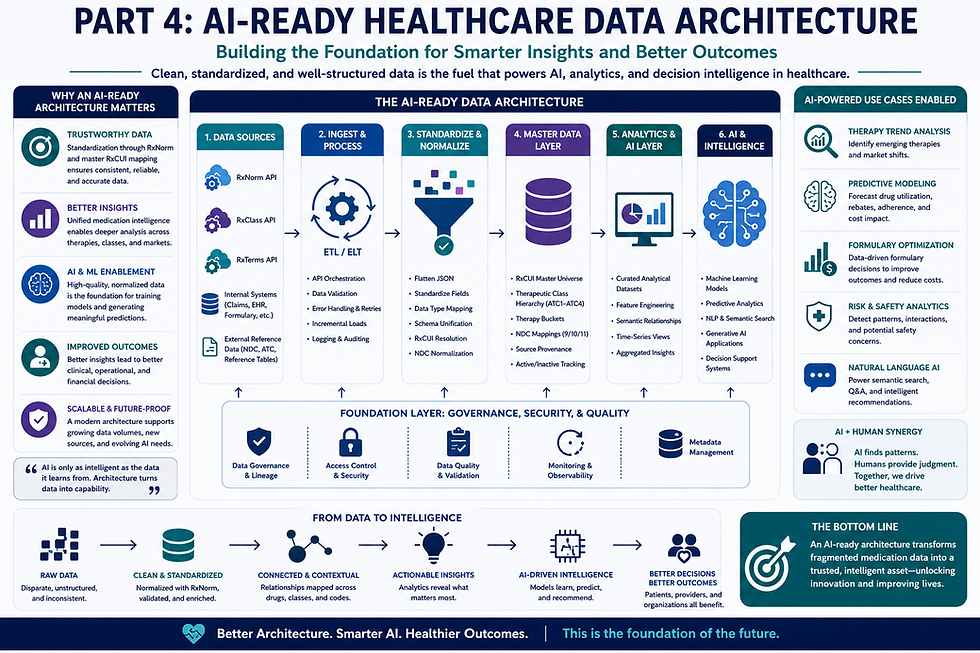
Data Analysis: AI algorithms can analyze large datasets quickly, identifying patterns and trends that may not be apparent to human analysts.
Predictive Analytics: By examining historical data, AI can predict patient outcomes, helping healthcare providers make informed decisions.
Natural Language Processing (NLP): AI can interpret and analyze unstructured data, such as clinical notes and patient records, to extract valuable insights.
Robotics: AI-powered robots assist in surgeries and patient care, improving precision and efficiency.
These applications not only streamline operations but also enhance the quality of care provided to patients.
Enhancing Diagnosis with AI
One of the most significant contributions of AI in healthcare is its ability to improve diagnostic accuracy. Traditional diagnostic methods can be time-consuming and prone to human error. AI algorithms, however, can analyze medical images, lab results, and patient histories with remarkable speed and accuracy.
Example: Radiology
In radiology, AI systems are being used to analyze medical images such as X-rays, MRIs, and CT scans. For instance, a study published in Nature demonstrated that an AI model could detect breast cancer in mammograms with an accuracy comparable to that of experienced radiologists. This capability not only speeds up the diagnostic process but also reduces the likelihood of missed diagnoses.
Example: Pathology
AI is also making strides in pathology, where it can assist in identifying cancerous cells in tissue samples. By analyzing thousands of images, AI can learn to recognize patterns associated with different types of cancer, leading to earlier and more accurate diagnoses.
Personalized Treatment Plans
AI is paving the way for personalized medicine, where treatment plans are tailored to the individual characteristics of each patient. By analyzing genetic information, lifestyle factors, and treatment responses, AI can help healthcare providers develop customized treatment strategies.
Example: Oncology
In oncology, AI algorithms can analyze genomic data to identify mutations that may be driving a patient's cancer. This information allows oncologists to select targeted therapies that are more likely to be effective for that specific patient. For instance, the use of AI in identifying specific mutations in lung cancer has led to the development of targeted therapies that significantly improve patient outcomes.
Example: Chronic Disease Management
AI is also being used to manage chronic diseases such as diabetes and heart disease. By analyzing data from wearable devices and electronic health records, AI can provide real-time insights into a patient's condition, enabling healthcare providers to adjust treatment plans as needed.
Improving Patient Engagement
AI is enhancing patient engagement by providing tools that empower patients to take an active role in their healthcare. Through AI-driven applications, patients can access personalized health information, track their progress, and communicate with their healthcare providers more effectively.
Example: Virtual Health Assistants
AI-powered virtual health assistants can answer patient queries, provide medication reminders, and offer personalized health tips. These tools not only improve patient engagement but also reduce the burden on healthcare providers by handling routine inquiries.
Example: Telemedicine
The rise of telemedicine, accelerated by the COVID-19 pandemic, has been significantly enhanced by AI. AI algorithms can triage patients based on their symptoms, directing them to the appropriate care level. This ensures that patients receive timely care while optimizing healthcare resources.

Streamlining Administrative Processes
AI is not only transforming clinical care but also streamlining administrative processes within healthcare organizations. By automating routine tasks, AI allows healthcare providers to focus more on patient care.
Example: Scheduling and Billing
AI systems can optimize appointment scheduling by analyzing patient data and predicting no-show rates. This leads to more efficient use of healthcare resources and improved patient satisfaction. Additionally, AI can assist with billing processes by automating claims processing and reducing errors.
Example: Electronic Health Records (EHR)
AI can enhance the functionality of electronic health records by automating data entry and ensuring that patient information is accurate and up-to-date. This reduces administrative burdens and allows healthcare providers to spend more time with their patients.
Addressing Ethical Considerations
While the benefits of AI in healthcare are substantial, it is essential to address the ethical considerations that arise with its implementation. Issues such as data privacy, algorithmic bias, and the potential for job displacement must be carefully considered.
Data Privacy
The use of AI in healthcare often involves the analysis of sensitive patient data. Ensuring that this data is protected and used ethically is paramount. Healthcare organizations must implement robust data security measures and comply with regulations such as HIPAA to safeguard patient information.
Algorithmic Bias
AI algorithms are only as good as the data they are trained on. If the training data is biased, the AI system may produce biased results, leading to disparities in care. It is crucial for developers to use diverse datasets and continuously monitor AI systems for bias.
Job Displacement
As AI automates certain tasks, there is concern about job displacement within the healthcare workforce. While AI can enhance efficiency, it is essential to view it as a tool that complements human expertise rather than replaces it. Training and reskilling programs can help healthcare professionals adapt to the changing landscape.
The Future of AI in Healthcare
The future of AI in healthcare is promising, with ongoing research and development aimed at expanding its capabilities. As technology continues to evolve, we can expect to see even more innovative applications of AI that will further enhance patient care and treatment outcomes.
Example: Predictive Analytics for Population Health
AI's ability to analyze vast amounts of data can be leveraged for population health management. By identifying trends and risk factors within specific populations, healthcare providers can implement preventive measures and allocate resources more effectively.
Example: AI in Drug Discovery
AI is also playing a crucial role in drug discovery, significantly reducing the time and cost associated with bringing new medications to market. By analyzing biological data, AI can identify potential drug candidates and predict their efficacy, accelerating the development process.
Conclusion
AI is transforming patient care and treatment outcomes in profound ways. From enhancing diagnostic accuracy to personalizing treatment plans and improving patient engagement, the impact of AI on healthcare is undeniable. As we continue to navigate the challenges and opportunities presented by this technology, it is essential to prioritize ethical considerations and ensure that AI serves as a tool for improving health outcomes for all patients.
The integration of AI in healthcare is not just a trend; it is a fundamental shift that promises to enhance the quality of care and improve the overall patient experience. As healthcare providers and organizations embrace these advancements, the future of patient care looks brighter than ever.


Comments